Article • Oct 15, 2019
Brain Basics
What does a child need to know about the brain? We break it down and share the three basics that we believe children should learn.
What do children really need to know about their brains? Should they memorize every part of the brain like their multiplication tables? Should they learn fun facts about the brain, like how much it weighs, and what type of matter it is made of?
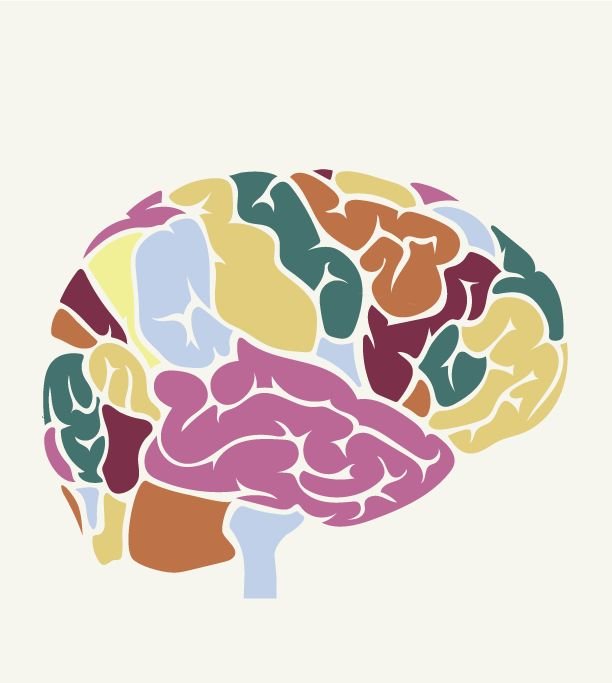
We believe that kids should know the very basic functions of the brain, and then understand them concretely. As they grow up, they can add more knowledge. So, for the sake of simplicity, here is what we teach kids about their brains:
Amygdala:
The amygdala is the most primitive part of the brain. It is almond shaped and tucked inside the center of the brain. It amplifies our emotions. When we are operating from the amygdala, we react quickly (the term fight, flight, or freeze applies here). The amygdala also responds to novelty. It can engage our attention.
Pre-frontal Cortex:
The pre-frontal cortex is the last part of the brain to fully develop. (This should come as no surprise to high school teachers or parents of teenagers!) The pre-frontal cortex helps us make decisions, problem solve, and analyze and interpret our experiences.
Hippocampus:
The hippocampus is important for remembering details and storing memories
Download our free “Your Brain” read-aloud
Why did we pick these three areas of the brain? After all, there are quite a few other important brain features, like the cerebrum which controls speech, the cerebellum which controls movement, etc. Here’s why: these three parts of the brain teach three very important lessons:
1. The amygdala teaches us that sometimes our brain is flooded with emotion. Good news! It’s not our fault when we feel overwhelmed – it’s our amygdala taking over. Even better news! We can control that. We can teach kids strategies to overcome these amygdala hijacks.
2. The prefrontal cortex teaches us that we need to help our brain help us make good decisions, think clearly, and control our impulses. It is so powerful for kids to understand that their brain controls all of their actions, and that there are things they can do to stretch and grow their brain, and to regulate their emotions.
3. The hippocampus teaches us that we need to strengthen and stretch our brains all the time so that we can remember everything we learn at school. Remembering is important! If you can’t retain what you learned in second grade, third grade is going to be pretty tricky. Kids need the reminder that they have to use their brain in order to learn.
You won’t believe how easy it is for kids to really learn and understand these three main parts of the brain. You haven’t lived until you’ve asked a three-year-old, “What part of the brain do we use to focus?” and she shouts back, “Pre-frontal cortex!
Additional reading/resources:
More resources