

• Nov 03, 2026
How to Build Strong Relationships with Students: Practical Strategies for Teachers
As this school year starts, don’t worry – learning will happen… but only after students feel safe and secure in their classroom environment. Children need an explicit focus on relationships to help build a classroom environment where every student feels a deep sense of belonging and safety.
Consider these tips.
Get to know 2-3 things about each student.
You can gather info on students by having them fill out “all about me” pages, asking everyone to share one thing they like to do for fun during circle time, using writing prompts, or any other method. You can even go through your roster and pull one student aside each day for a couple minutes until you’ve worked through the whole list. Find out what they like to do outside of school, who lives in their home with them, whether they have pets or favorite animals, what they’re really good at, or what their favorite after-school activity is. Then, keep a list. Jot down a few key words next to each student’s name so you can recall these details at various times. When something happens that relates to a student’s interest – a team wins a sporting event, you saw a funny video on TikTok – bring it up to the student, like, “I know you love skateboarding, check out this super cool video I saw of this guy doing tricks!”
What’s In Your Bag?
An easy but powerful way to connect with children is to ask them to identify something that is important to them and share it with you and the class. This act of selecting the special item and then sharing it helps them feel safe and connected to you.
Tell the students that you’d like to get to know them a little better. Give each child a simple brown paper bag and ask them to take it home and fill it up with something special. If the special item doesn’t fit in a bag, they can bring a picture of the item.
When they bring it in, ask questions such as:
Where did you get this special item?
Who gave this to you?
What do you think about when you look at your special item?
Let the students know that you’re happy to know more about each of them and learn about each of their special items.
Find out how students function best in the classroom.
Every student is different, and at the same time, classrooms come with their own little cultures. As a group, classes often have traits that unite them. Pay attention to both – how individual students function best, but also how the class as a unit functions best. Consider:
- What challenges students?
- When do students have the most fun in the classroom?
- When do students seem most frustrated?
- What times of day do students perform best? Worst?
- What classroom settings seem to affect students (room layout, noise level, lighting)?
Name goals for the year.
Setting goals for the year allows you to see what students are hoping for which allows you to focus on ways to help students accomplish those goals. Writing your own goals for the class helps students see what is expected of them, what they can hope to achieve by the end of the year, and provides a sense of grounding and stability.
Ask students what their goals are for the school year. Have them write them down and put them in a portfolio or display them on the wall. Have them include academic goals, social goals and personal goals.
Write your goals for the class as well. Make sure the goals include social emotional skills, such as “Our class works together as a team!” and “We persist when things are challenging!”
Set classroom expectations.
Clear expectations help build relationships. When both children and adults know explicitly what is expected of them, it creates a sense of emotional safety in the relationship. Explore our free lesson plan to learn more about setting clear expectations in the classroom.
We All Have Expectations: A Free Safe Relationships Lesson Plan
This free lesson plan, We All Have Expectations, introduces students to classroom expectations and guides students through established expectations for both the teacher and the students/classroom. The lesson can be adapted to fit any elementary or middle school classroom.
Every classroom needs a set of expectations that help students understand what is expected of them each day. In this lesson, students will create classroom expectations for both themselves and the teacher based on their best experiences from previous school years. When students take responsibility for creating these expectations, they have an increased sense of ownership and engagement in the classroom. It is important for students to have a voice in the classroom because they need to feel safe and heard. Having clear classroom expectations also allows students to feel safe knowing what is expected of them and what their responsibilities are in the classroom.
This lesson, We All Have Expectations can be adapted to fit any elementary or middle school classroom. Age it up or down with your choice of questions and vocabulary!
Click here to download this free lesson plan.
Have Fun
Last – but not least – when building relationships with children, it’s important to remember to have fun!
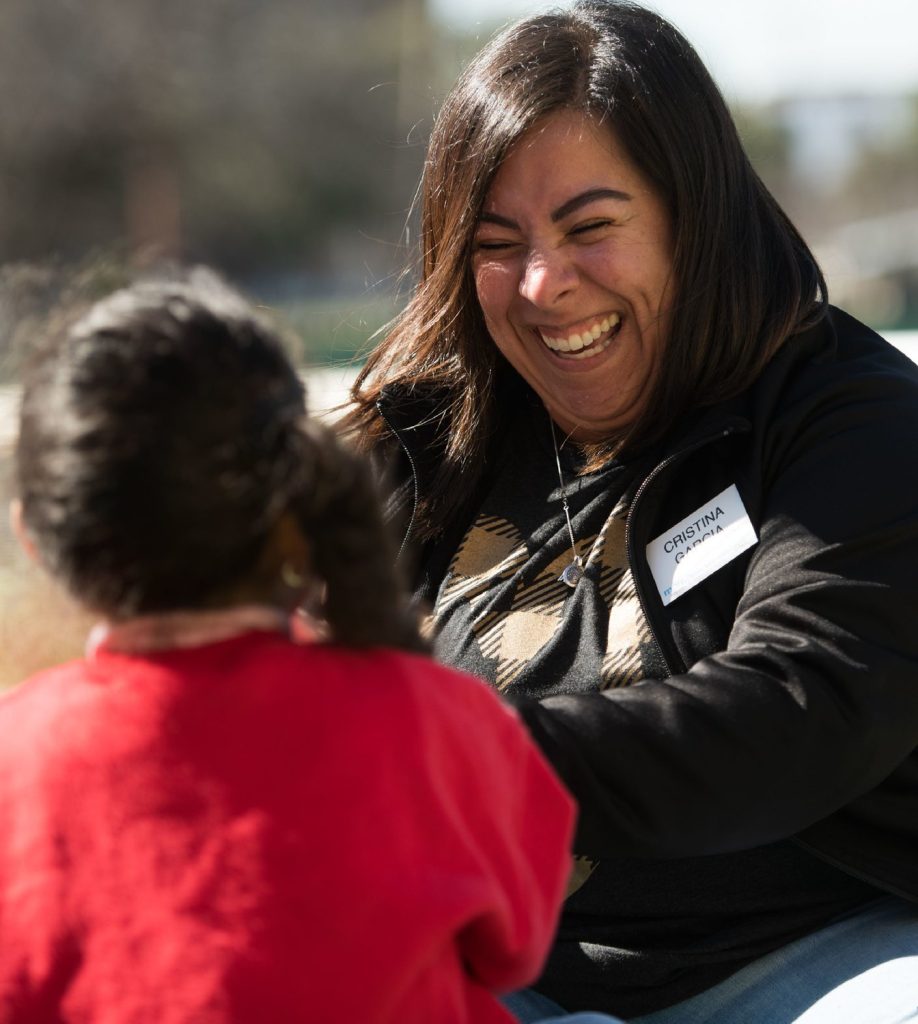
One of the most important things we can do when working with children is maintain a sense of humor. Let’s be honest – children don’t need another boring adult telling them what to do. Children want to be around people who are young at heart – people who can have fun and laugh with them! It’s important that we’re able to interact with children at their level.
This doesn’t mean goofing off all the time, making inappropriate jokes or setting bad examples. But it is important to remember that children learn best with people they enjoy being around – and that’s usually not someone who is stern and serious all the time. We can maintain a sense of humor and a spirit of playfulness, appreciating the laughter and joy that children bring to the world.
It’s all about the relationship. We want to constantly ask ourselves, “How can I connect with this child?” It is our job as adults to make the kids feel comfortable and accepted, creating a safe place for them to be who they are. We can invite that in and allow it to flourish when we maintain a sense of humor and remember to have a little fun.
Want to learn more about building safe relationships with students? Watch our video series.