
Article • Jan 13, 2021
What is the Difference between SEL and Social Emotional Health?
While the term social emotional learning, or SEL, has gained momentum, here at Momentous Institute, we continue to focus on the term social emotional health.
At Momentous Institute, we define social emotional health as “the ability to understand and manage one’s emotions, reactions and relationships.”
In recent years, the term social emotional learning has gained momentum in the world of education. This is an exciting and welcome shift in education, and we are pleased to see classrooms around the country embracing The process through which children and adults understand and manage emotions, set and achieve positive goals, feel and show empathy for others, establish and maintain positive relationships, and make responsible decisions. (CASEL) curricula and programming.
Despite its growth in popularity, Momentous Institute continues to focus on the term “The ability to understand and manage one’s emotions, reactions, and relationships. (NAMI)”. Why?
Our organization has, for almost four decades, been working at the intersection of A state of well-being in which an individual realizes their own abilities, can cope with normal stresses of life, can work productively, and is able to contribute to their community. (WHO) and education. Our belief is that these two disciplines go hand in hand.
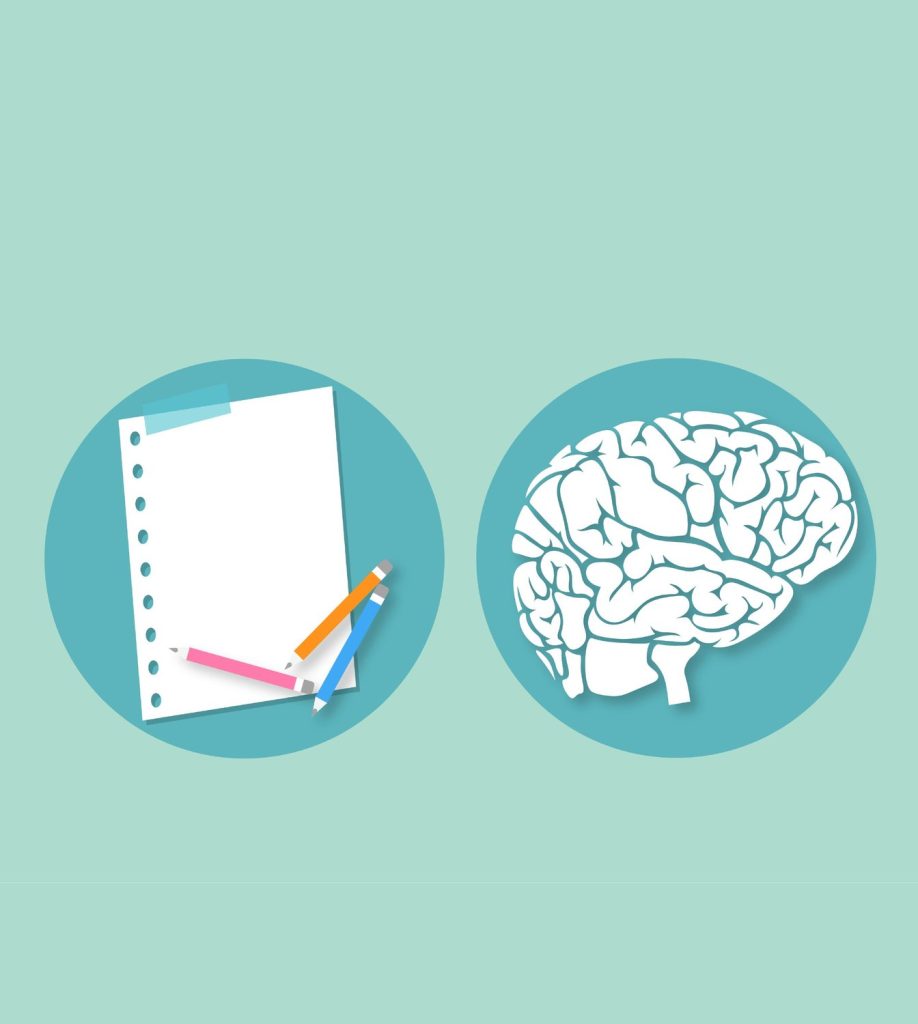
Social emotional learning is an important part of social emotional health, but is not the whole picture. An easy way to think about it is:
SOCIAL EMOTIONAL HEALTH = social emotional learning + mental health.
Social emotional learning skills are absolutely important, but often missing a mental health lens to create a more robust picture. That’s why everything we do includes a mental health component. Our Changemakers curriculum contains a An emotional response to an event that is perceived as harmful or threatening, and that has lasting negative effects on a person's physical, mental, social, emotional, or spiritual well-being. (APA) lens that help explain why some children may struggle with certain topics or have a hard time mastering a particular social emotional learning skill. Our trainings and in-depth partnerships always have an educator and a mental health professional working in tandem to highlight both educational and mental health considerations. And our Momentous School collaborates with our therapeutic programming to ensure that every child’s mental health and social emotional health is prioritized.
As we look forward to the future of education, we sincerely The belief that the future will be better than the present and one has the power to make it so. (APA) that every child has the opportunity to thrive in a classroom where social emotional learning is a core component. And we also hope that all educators understand the importance of paying attention to children’s mental health. This is why we will continue to prioritize social emotional health for all children.
More resources