
Article • Jan 08, 2016
You Have a Choice
This simple strategy can diffuse tension, break free from power struggles, and even help solve behavioral issues.
One simple strategy that works well to diffuse tension and break free from power struggles is to give the child a choice.
Let’s say you’re crossing the street, and your toddler doesn’t want to hold your hand. You can say, “Okay the light is about to turn. Do you want to hold my right hand or my left hand?”
As long as both options meet your desired outcome (the child holds your hand), allowing some flexibility to the method gives the child a feeling that she’s got some say in the matter and that her choices count.
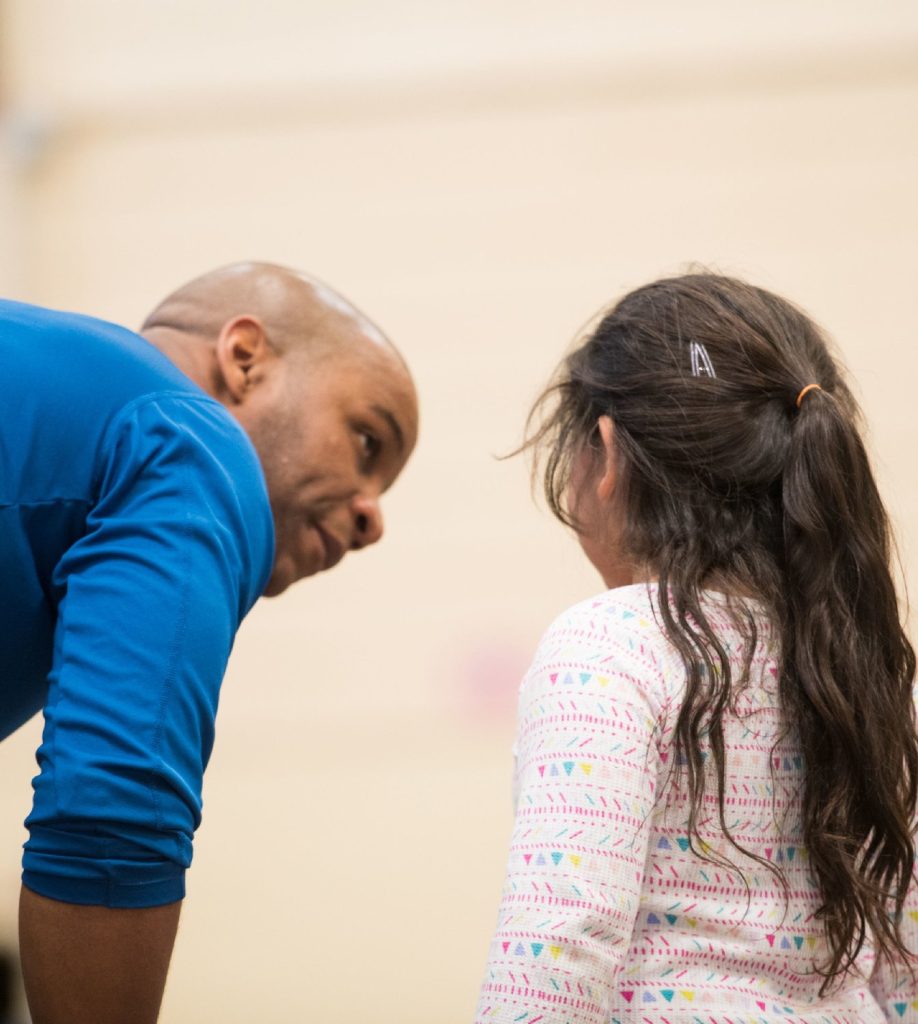
This same strategy can be used when there’s a behavioral struggle. If a child is having a hard time putting away his materials and transitioning back to the carpet, a teacher could get down on his level and say, “You have a choice. You can choose to put your blocks away and join us on the carpet, or you can choose to have me help you put the blocks away, and that choice means that tomorrow you will choose not to use these blocks.” The key is to use the word choice as much as possible. When you let the child know that any consequences are a result of his own choices, this gives him the authority to make different choices. Though subtle, this is very different from, “Put the blocks away now or you will not get to use them tomorrow.” The first version lets the child know that all of his actions are choices and each choice has a potential consequence. The second version simply feels threatening.
If the child chooses not to put the blocks away, then the next day the teacher could reinforce this message by saying, “Yesterday you made a choice not to play with these blocks today. Let’s try something new and we’ll think about the choices we make so that we can play with these again tomorrow.”
Again, the key is to continue to use the word choice. The more a child hears this word, the more he’ll understand that the actions and consequences of his actions are within his control. And what child doesn’t want to have a small sense of control about his own world? What adult wouldn’t want that?
More resources