

Article • Aug 22, 2016
Mindfulness And Compassion In A Time Of Great Grief
In a moment of quiet between the pain, anger, and sadness, take a moment to send compassionate, loving energy toward yourself, someone you love, or perhaps someone who needs love dearly. By Poonam Desai, Ph.D., LSSP, Mental Health Trainer
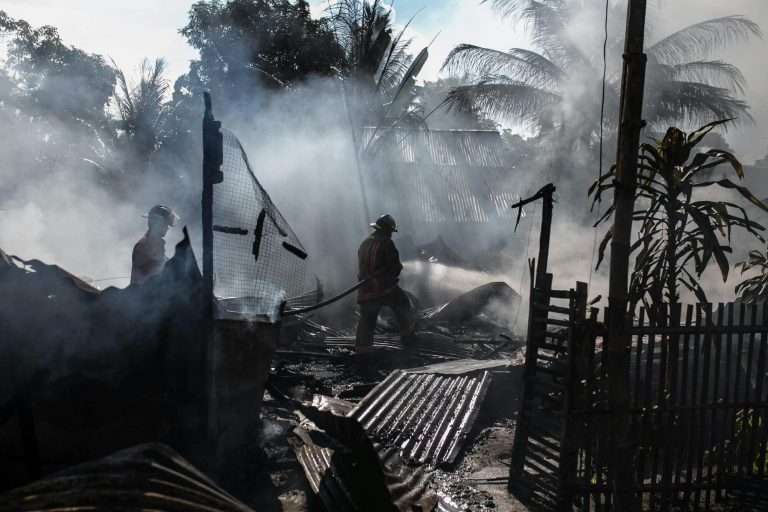
Our world is hurting. There are literally thousands dead in recent weeks due to bombings and shootings. In our country, within 24 hours, two black men were killed by police. And then 5 police were killed by a black man. Strong feelings are floating around, looking for a safe place to land. There is anger, questioning, despairing, and pleading.
There can be no mistake on this: these events hurt us. Every time we hear another person is shot or public space has been bombed, we feel a pang in our hearts, recognizing that it so easily could have been us or a loved one. It is difficult to feel any semblance of control in these times, and perhaps we get caught in rhetoric and arguments, trying to make sense of our heartache.
People have very different methods of coping with difficult situations. Many of us are “internalizers,” meaning we prefer to keep to ourselves. We might hide our feelings, or push them down and away. Others are “externalizers,” meaning we seek to express emotion outside of ourselves, perhaps through our behaviors, actions, and interactions with others. In either case, pure, unprocessed emotion can cause damage. Keeping things bottled up can lead to depression or anxiety. Spewing your feelings out can lead to aggressive encounters and words or actions you later regret. Emotions are helpful tools in tough times, as they are signposts for our bodies and minds and indicate our true feelings about a topic or event. But emotions without awareness create chaos.
In this time of high emotion, I invite you to engage in a simple practice. You do it all the time, but for the next few moments, do it with great awareness. Breathe. Notice your breath as you breathe in and out. See if you can feel the touch of your breath at your nose. Put a hand on your chest or stomach to see if you can feel movement as you breathe. Stay there for a moment. Allow yourself to be.
No doubt as you breathe, thoughts, feelings, and strong emotions will pass through your mind and body. Notice them. Name them, if you can. Notice if your hands clench, your eyes water, or you are overwhelmed with anger or sadness. Notice it. Breathe. And see what comes next.
This is not an exercise in letting go of your feelings or clearing your mind, though that may occur as a result. This is what Jon Kabat-Zinn calls “paying attention on purpose, in the present moment, and nonjudgmentally.” The purpose is not to push away our feelings or act on them immediately. The purpose is to give our thoughts, feelings, and emotions the space they, and we, deserve.
While no one can condone violence, one cannot help but wonder what goes through the heads of those who enact violence on others. Fear? Sadness? Anger? Isolation, perhaps? It is easy to hate. But let us reflect on the possibility that most who commit violent crimes are acting from pure unprocessed emotion and inner chaos.
Though we may condemn them, perhaps, for our own sake, we might try to find room in our minds for compassion. If not for the offenders, then for the many affected. Acknowledge that a great damage has been done which cannot be undone. That chaos of emotions begets chaos of emotions. That we are hurting, no matter what side we “stand” on.
In a moment of quiet between the pain, anger, and sadness, take a moment to send compassionate, loving energy toward yourself, someone you love, or perhaps someone who needs love dearly. Bring an image or sense of yourself or the other person to your mind. Imagine yourself or that person happy and surrounded with good things. Silently, or aloud, send the following thoughts: May you be happy. May you be peaceful. May you experience joy in your life. Repeat. Know that sending even such subtle intentions changes the energy within you and around you.
These are simple practices, but they are a place to start so we can use our inner resources to move forward.
More resources