
Article • Jul 27, 2020
Building Classroom Community: Morning Meetings and Relationship-Building Routines
Updated • Oct 7, 2026
At Momentous Institute, we prioritize belonging with children and families. Belonging is a person’s ability to feel a sense of safety, acceptance and community, and it is an integral part of mental health. This sense of belonging is evident in the way we set up classrooms and engage with children every single day.
Helping students feel safe and connected starts from day one. This begins by getting to know one another and helping students understand their role and the role of the teacher in the classroom. From there, incorporating daily routines like Morning Meetings help strengthen that bond throughout the school year. Let’s explore a few key ways we prioritize community and relationships in the classroom.
How to Create Relationship-Building Routines in the Classroom
There is nothing more important to a successful school year than building safe relationships. Safe relationships are essential, whether it’s the student-adult relationship or the relationships between students. If you do nothing else at the start of the school year, spend your energy on building safe relationships. Here’s how to set the stage for safe relationships from the first week of school.
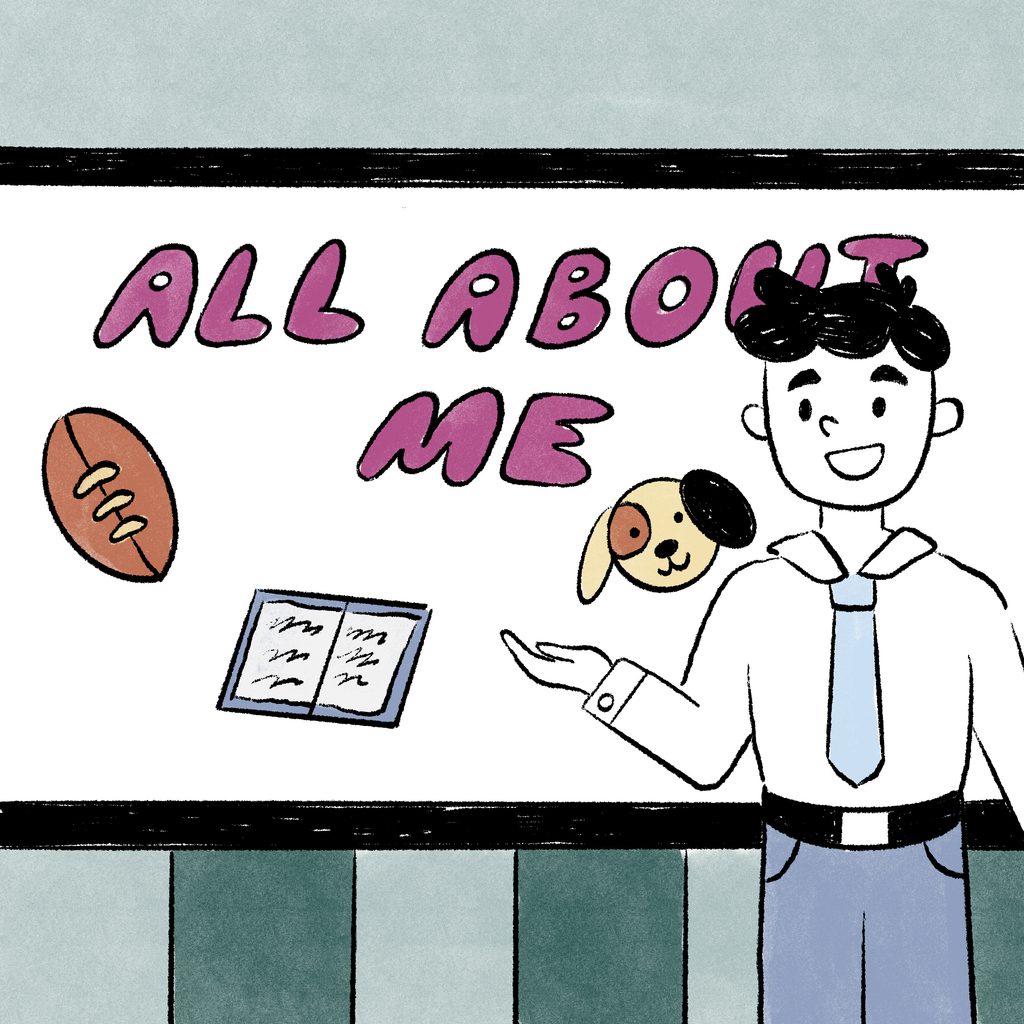
Day One: All About Your Teacher
On the first day of school, give students the opportunity to get to know their teacher as someone who is there to help, guide, encourage and protect them. For some students, especially those in younger grades, this may be their first year in a structured school environment. And all of them will be experiencing you and your classroom for the first time. Clarifying the teacher’s role is essential to children’s sense of security in the classroom.
What should you tell students?
Create a slide or write on a whiteboard or chart paper the role of the teacher. Include things like:
My job as your teacher is to…
- Keep you safe
- Listen to you
- Be kind and care about you
- Help you learn
In addition to this, give students some information about you. Again, make a slide or poster with photos or other details you want to share with students. Consider including:
- A personal introduction
- Something special about me
- Something I love/ something that brings me joy
- What I want my students to know about me
Give students the opportunity to ask questions. Be sure to limit the number of questions students can ask. You might say, “I have just enough time for three questions. What are you wondering about? What else would you like to know?”
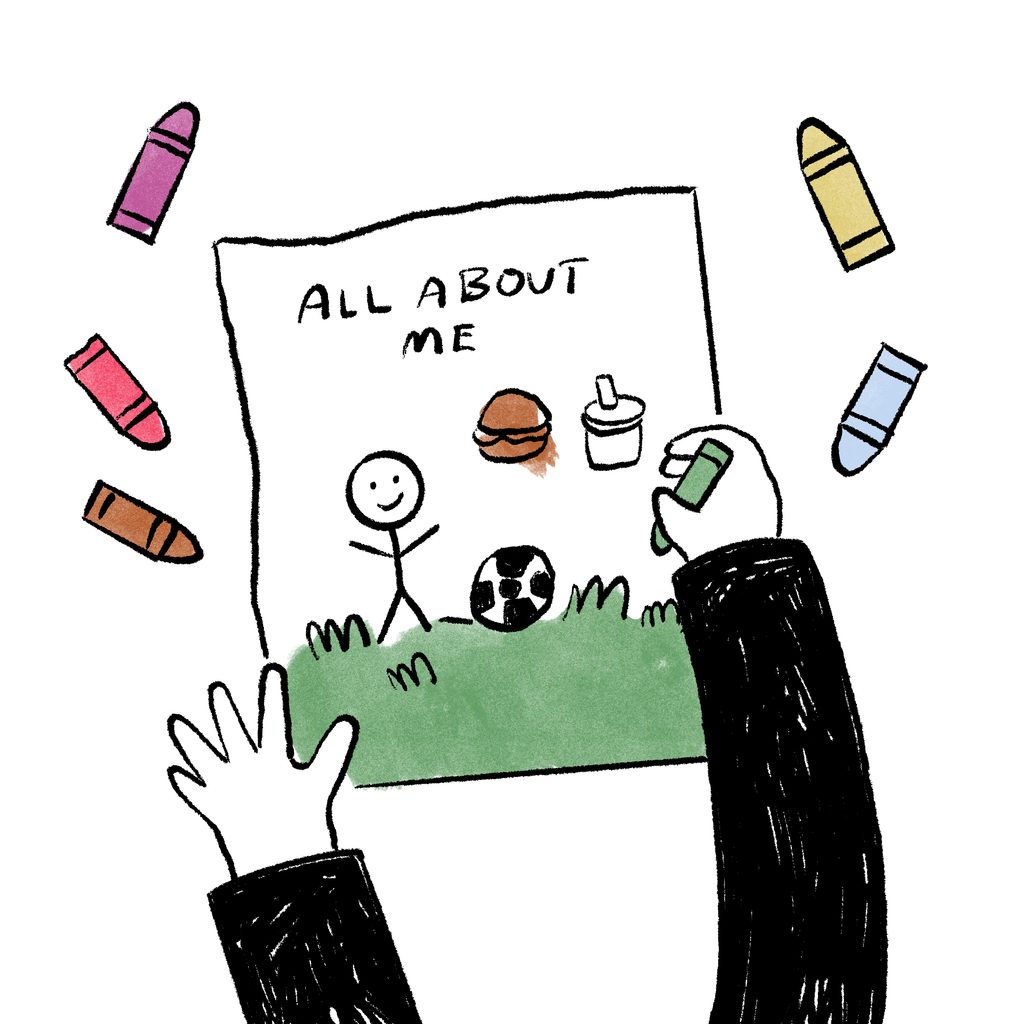
Day Two: All About You
Remind students about your introduction as teacher and tell them that you’ll be talking about their role as students next. Create a slide or write on the whiteboard or chart paper the role of students. Examples include:
Your job as students is to…
- Come ready to learn
- Listen to the teacher and each other
- Work hard
- Ask for help when needed
Next, remind students about what you shared with the class about yourself. Tell them that you’d like to know all about them as well. Give each student an “All About Me” worksheet and ask them to complete it, either in class or at home with their families.
Collect these and read them privately. These are an opportunity for students to communicate directly with you and let you know details about their lives. Let students know that these will not be shared so they feel comfortable writing what they want to communicate.
Throughout the year, and especially throughout the first week, try to find a way to connect with each child over something they shared on their sheet. You may want to take a quick peek at a child’s sheet before a planned interaction or pull students aside one at a time to go through the sheet together, asking them to tell you any additional details.

Day Three: All About Us
In addition to learning more about each student, you will want to create opportunities for students to learn about each other. This can be done by allowing students to share a little about themselves during whole-group time. This may spread over more than one day, depending on the timing.
To plan for this, send each student home with a paper lunch bag with their name written on it. Ask students to put one item that is special to them inside the bag and return it the next day. Prepare your own bag as well. Set aside a large basket or box to collect the bags as students bring them in.
Introduce the sharing by reminding students about the previous introductions from day one and two. Next, you’ll all want to get to know each other so that everyone is comfortable in the classroom every day. One way to get to know each other is through sharing about something special.
Create a process for sharing the items in the bags. Remember that this should be a pleasant experience, allowing students to get to know each other better. Students should feel valued when they share. To ensure this is the case, select only a few students to share in one sitting. When students start to seem restless and inattentive, switch to a new activity and resume sharing later.
Have the student who is sharing hold up the item from their bag and talk about why it is special to them. He or she can walk around the circle holding it so that everyone gets a chance to see the item up close. Create a system for asking questions. Set a limit to how many are asked and have a process for determining which students ask the questions.
These three components of relationship building help set a tone for learning where students feel safe and comfortable in their classroom environment. But the community building doesn’t end after the first week. One way to continue to deepen connections in the classroom is by including Morning Meetings as part of the daily routine. This is implemented starting on the first day of school, and it connects to these broader routines.
Morning Meeting
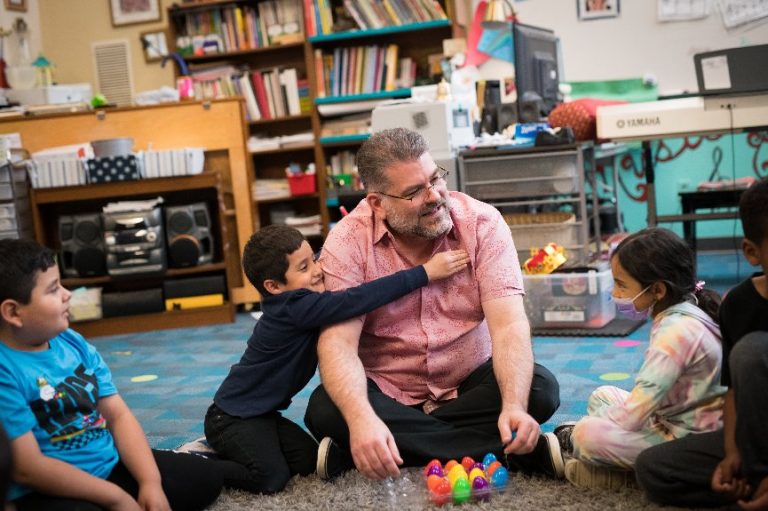
Every day at Momentous School starts with a Morning Meeting. This routine builds on the relationships established during the first week of school by creating a time at the beginning of each day for welcoming students and making them feel important and valued. A morning meeting starts the day off on the right foot. It’s an opportunity for connection and strengthening relationships with your students. They don’t need to last long – it’s difficult for young children to sit more than 10 minutes at a time.
Spending a few minutes together in the morning is a great social emotional health practice and has a profound impact on the day – keeping students engaged and forming connections with the teacher and other students in the classroom.
A Morning Meeting is used to greet students, allow students to share, prepare for learning, and then discuss anything coming up during the day. Let’s talk about what a Morning Meeting looks like in four simple steps: Greeting, Sharing, Breathing and Schedule.
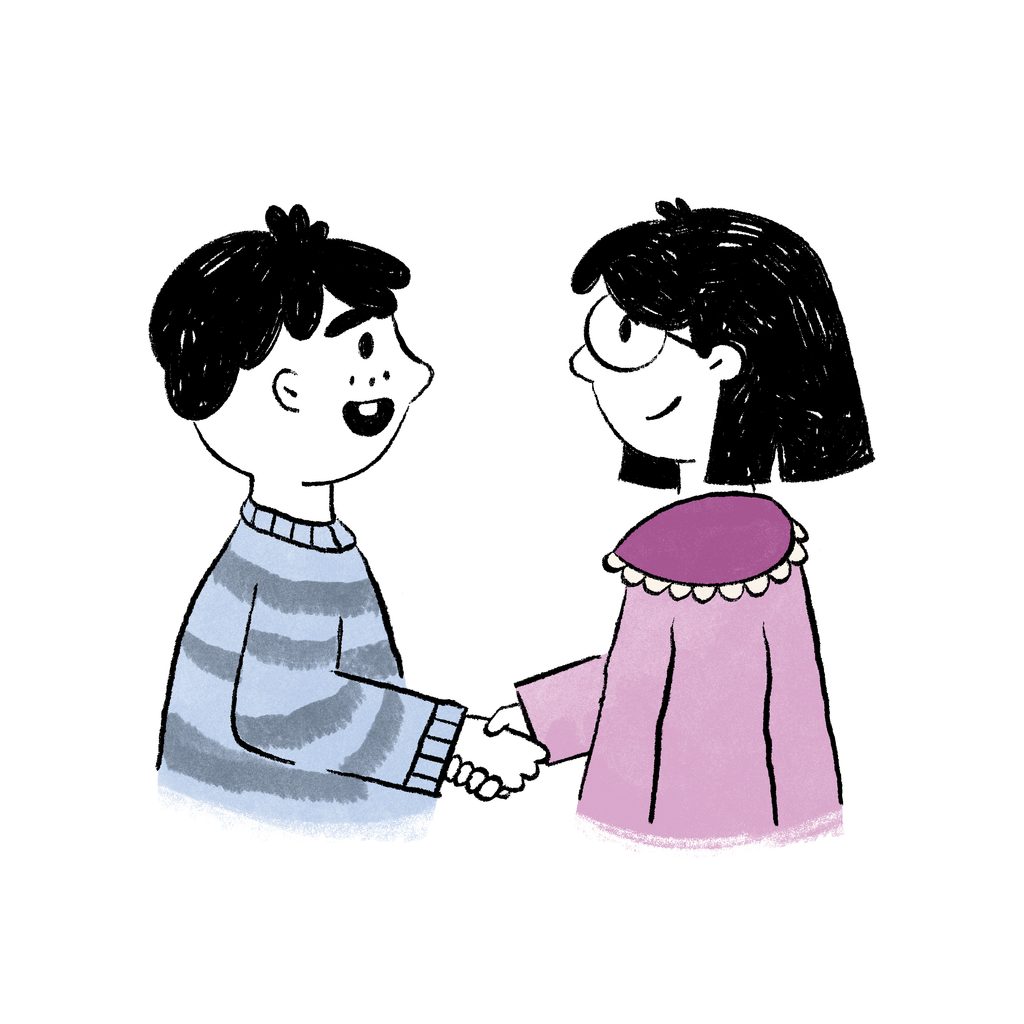
1. Greeting: This is where students greet one another around a circle. Each student turns to the person next to them, greets them by name and shakes their hand. Teachers praise the students as they greet one another, emphasizing the use of each other’s names and the importance of looking at one another during the greeting.
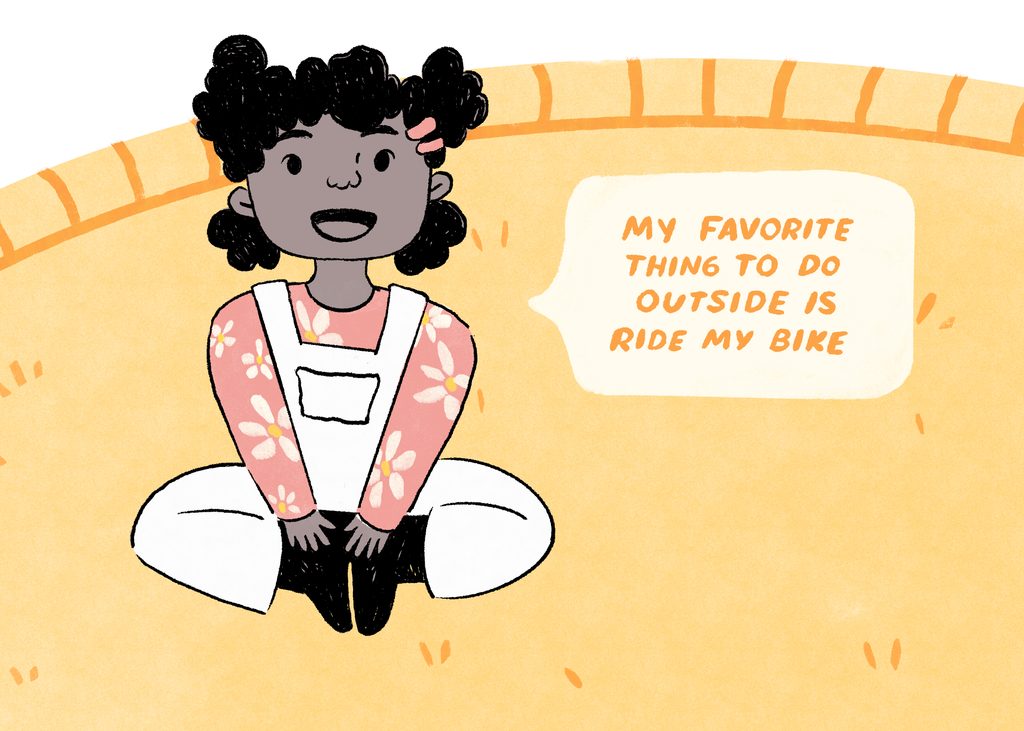
2. Sharing: In this section, students are asked to share a response to a prompt provided by the teacher. Using a talking stick or stuffed animal to pass around, students take turns speaking while the others practice their listening skills. Sharing is a chance for students to get to know each other better. They can also practice responding to each other with respectful, caring language.
Questions for sharing can include:
- Where is your favorite place?
- What is your favorite thing to do outside?
- If you could have any pet in the world, what would you choose?
- What is the best thing that happened to you yesterday?
- What are you looking forward to today?
- What is something you’ve always wondered about?
- If you could have a superpower, what would it be?
- If you could make a wish – for someone else – what would it be?
- If you had to eat only one food for a week, what would it be?
- Who is your favorite book character and why?
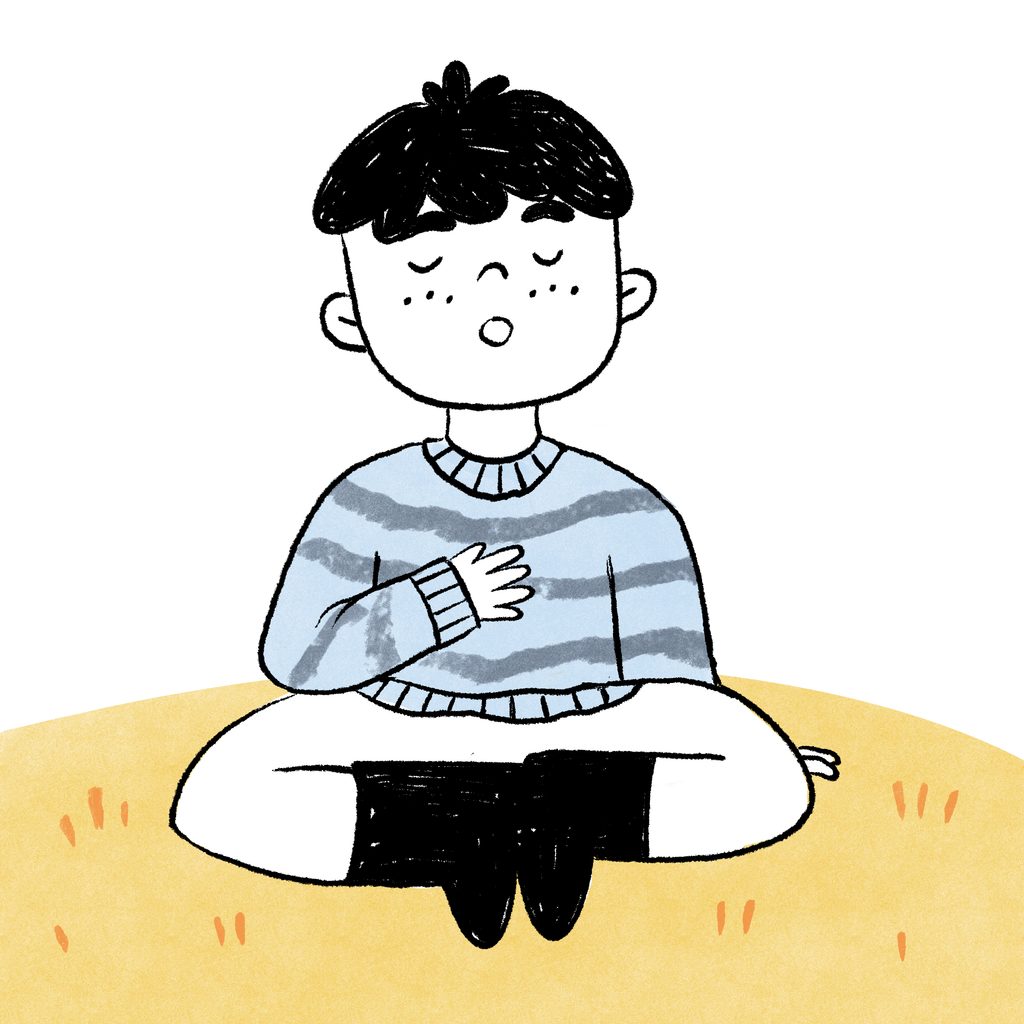
3. Breathing: Next, the teacher leads the class in a breathing exercise. This can be something as simple as taking three slow breaths together. Breathing is a helpful tool that allows us to control strong emotions and focus our attention for learning.
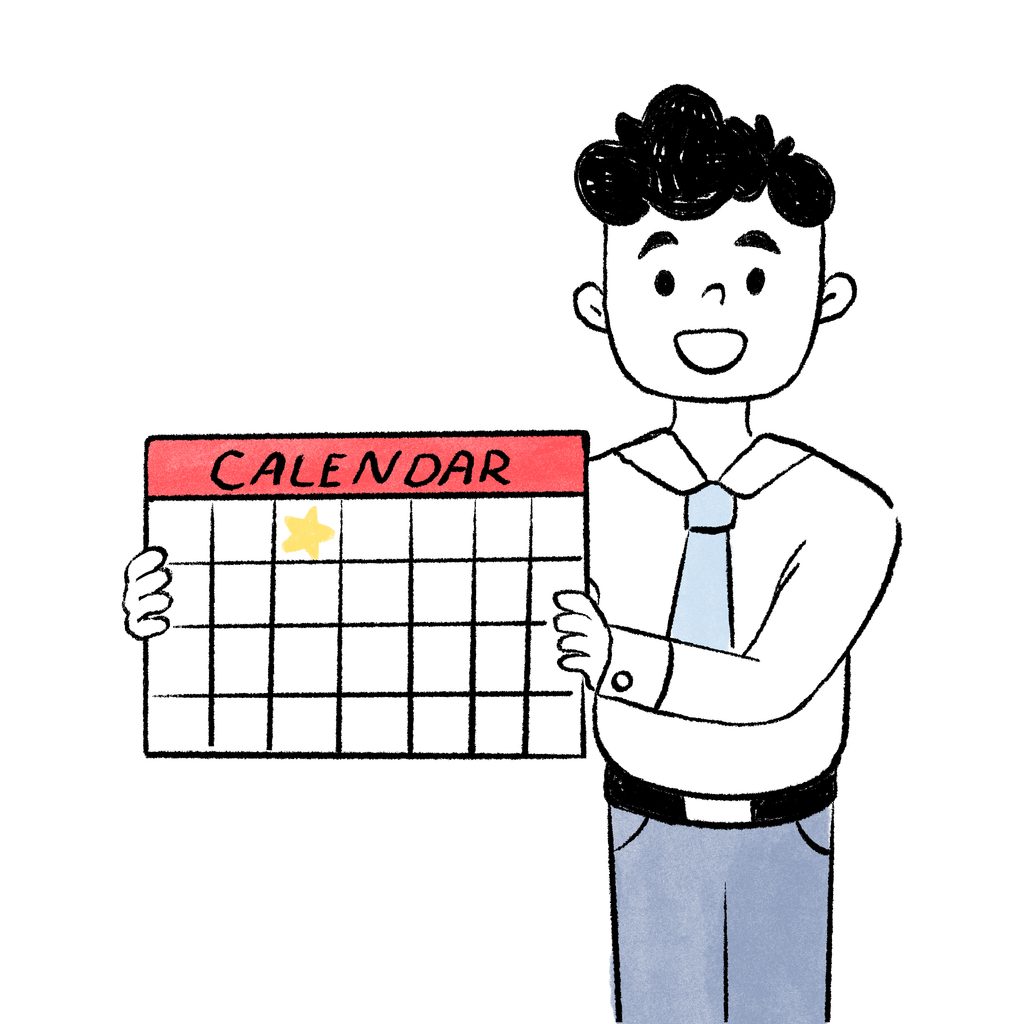
4. Schedule: We close out Morning Meetings by sharing the schedule for the day. This gives students an overview of what to expect during the day, making them feel safe and secure in the classroom.
Download our Guide on Building Relationships with Students
To learn more about how to build classroom community at your school by implementing Morning Meeting and other relationship-building routines, check out our download on Building Relationships with Students.
FREE DOWNLOAD
Building Relationships with Students
Learn more about building classroom community at your school.
More resources